The Role of Local Cuisine in Cultural Exploration
Exploring local cuisine is an integral part of understanding a culture. Many travelers report that food often serves as a gateway to deeper insights into the local way of life, traditions, and history.
Understanding the Connection Between Cuisine and Culture
Food is more than just sustenance; it is a reflection of a region's cultural heritage. According to cultural anthropologists, local cuisines are shaped by factors such as geography, climate, and historical events. For instance, the Mediterranean diet, rich in fruits, vegetables, and seafood, is influenced by the region's climate and agricultural practices.

Experts recommend that when traveling, one should immerse themselves in the local culinary scene to gain a more profound appreciation for the culture. This approach not only enhances the travel experience but also fosters connections with local communities.
"Eating locally is a way to taste history, culture, and the very essence of a place." – Culinary Expert
The Benefits of Engaging with Local Cuisine
Engaging with local cuisine offers numerous benefits:
- Enhanced Cultural Understanding: Local dishes often tell stories about the community's history and values. For example, traditional Irish dishes like Colcannon or Irish stew are rooted in the island's agrarian past.
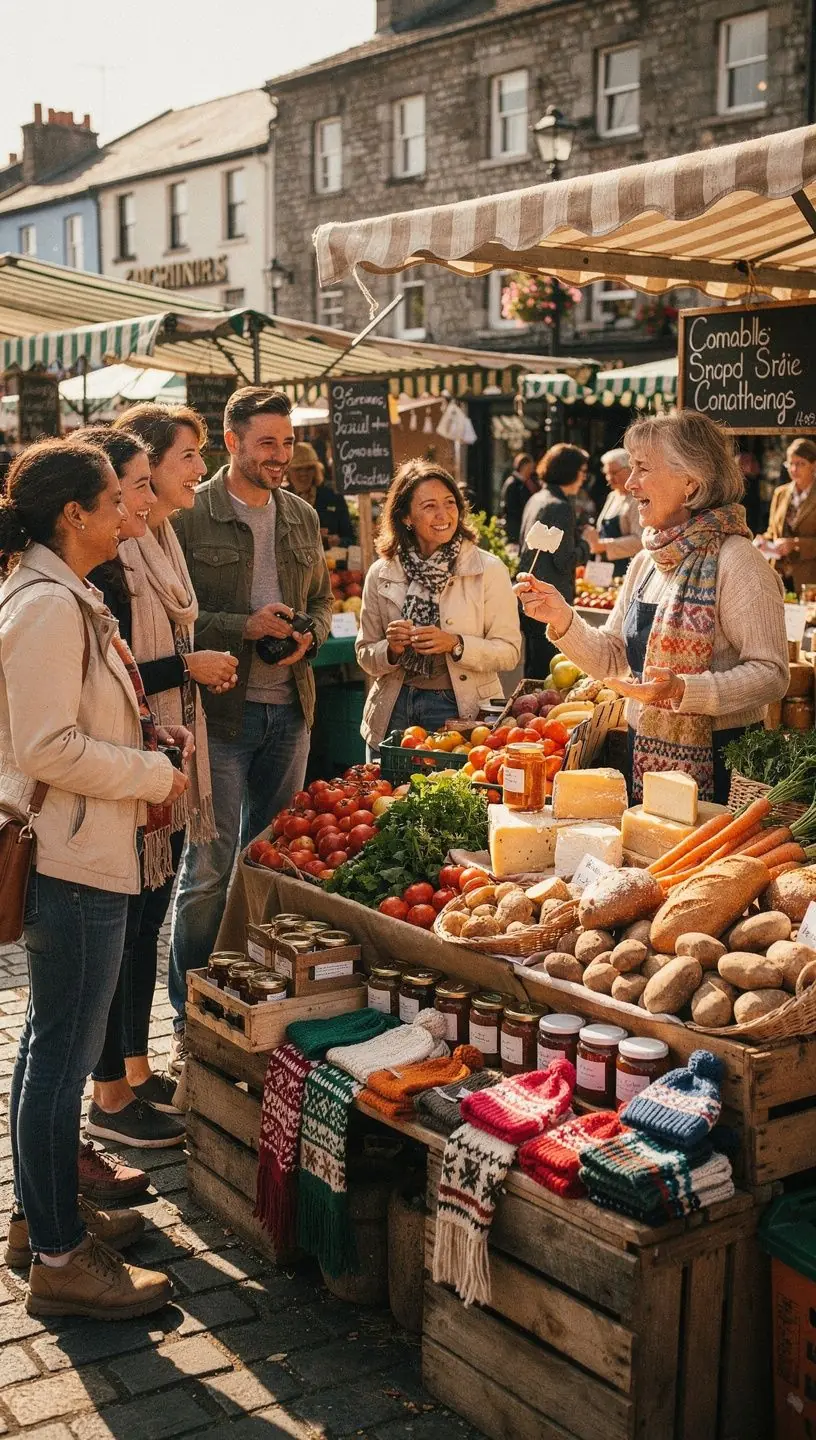
- Support for Local Economies: Dining at local restaurants or markets helps support small businesses, which are the backbone of many communities.
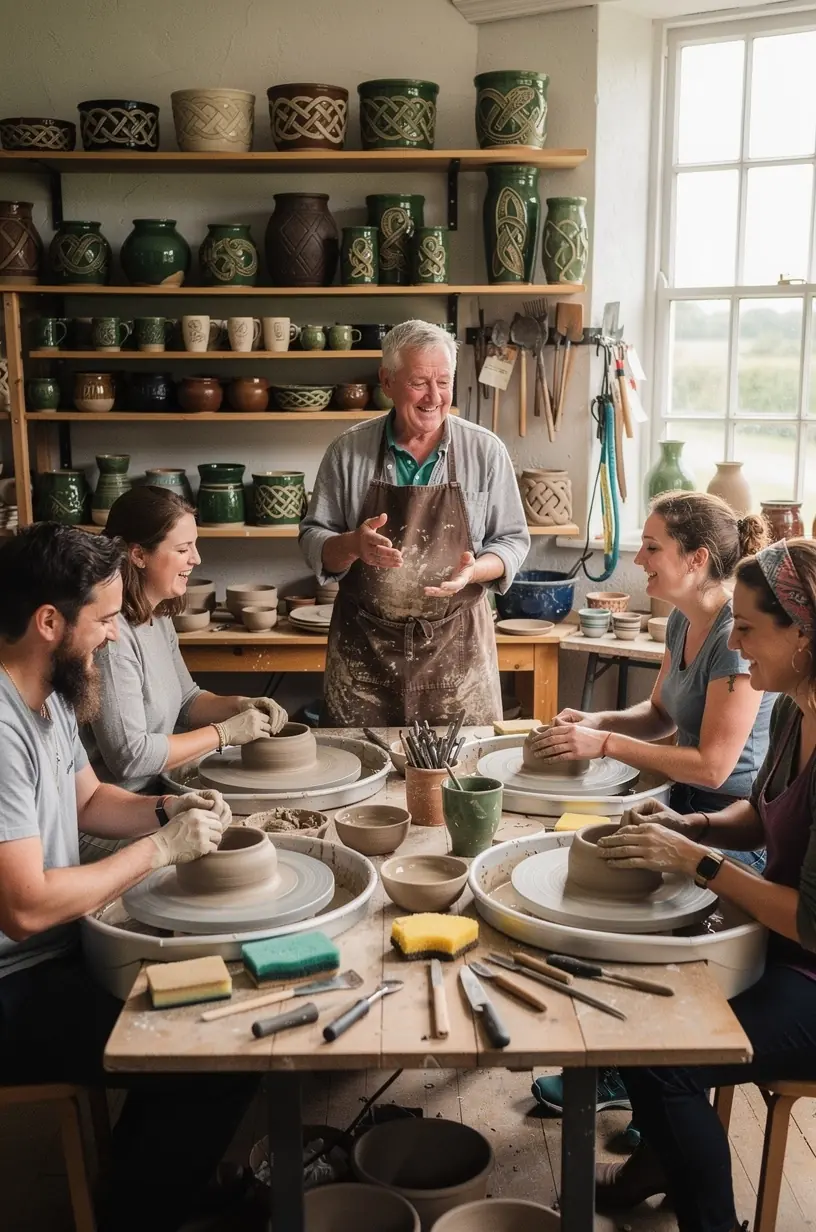
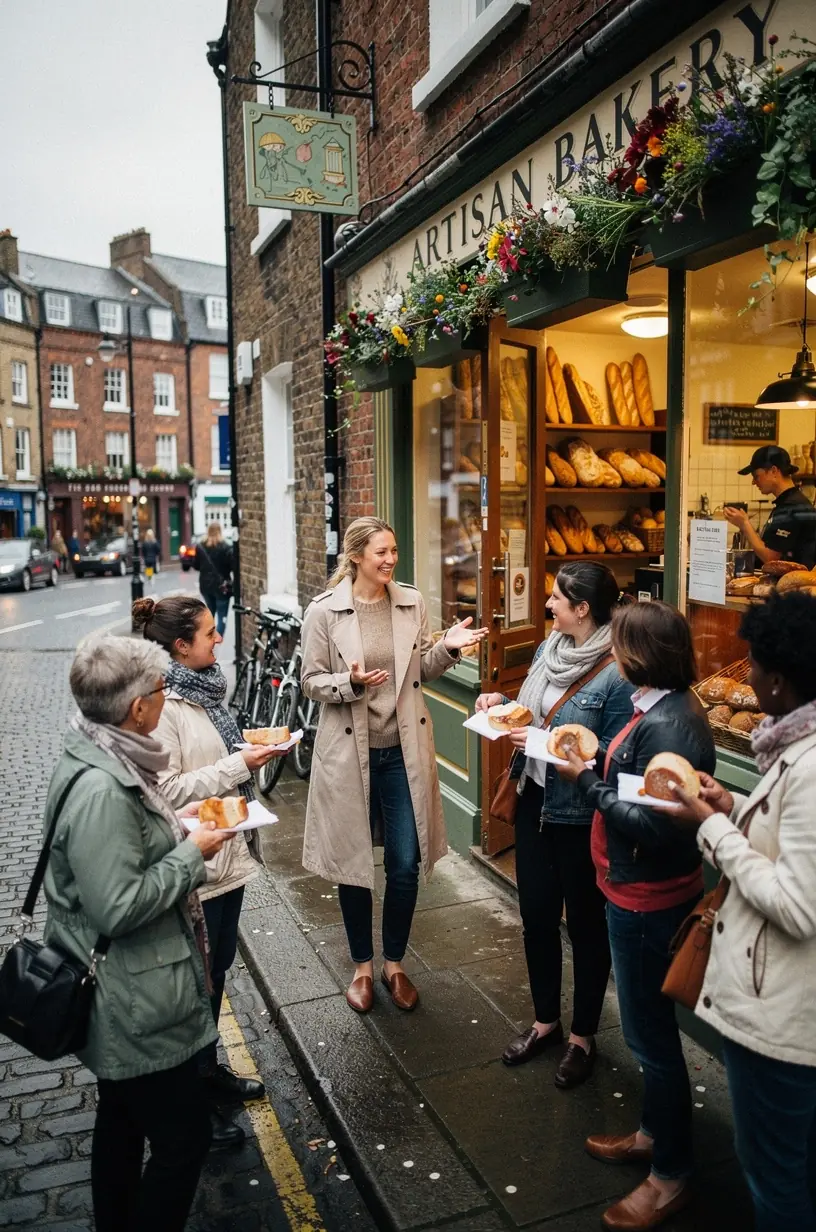
- Unique Experiences: Many travelers appreciate cooking classes or food tours that provide hands-on experiences and interact with locals, offering insights that typical tourist activities may not.
How to Explore Local Cuisine Effectively
Here are some practical strategies for incorporating local cuisine into your travel plans:
- Research Local Food: Before your trip, look up notable local dishes and where to find them. Websites like TripAdvisor often feature traveler reviews that can help identify popular spots.
- Engage with Locals: Don't hesitate to ask locals for their favorite dining spots or dishes. This can lead to discovering hidden gems that aren’t in guidebooks.
- Participate in Food Festivals: Check for local food festivals during your visit. These events are excellent opportunities to sample a variety of local dishes and meet food artisans.
Acknowledging Limitations and Setting Expectations
While food exploration can enhance your travel experience, it’s essential to acknowledge some limitations. Trying local cuisine may require an open mind and willingness to step outside your comfort zone, as some dishes may have unique flavors or ingredients that are unfamiliar. Additionally, participating in food tours or cooking classes may require prior reservations and can involve costs that vary widely.
In most cases, engaging with local cuisine can take time, so it’s advisable to plan accordingly. A food tour or cooking class might require about 3-4 hours, while casual dining can vary based on the restaurant's popularity and cuisine complexity.
Conclusion
Incorporating local cuisine into your travel itinerary can significantly enhance your cultural understanding and provide memorable experiences. By taking the time to explore, engage, and savor local dishes, you not only enjoy delicious meals but also connect with the heart of the culture. Remember, the journey of discovering local flavors is as enriching as the destinations themselves.
Explore Further